
What if the traditional obsession with perpetual ownership is actually blinding you to the most lucrative opportunities in the 2026 property market? Many investors hesitate at the thought of a 99 year leasehold condo Singapore, haunted by the specter of lease decay and the complex rules governing older assets. It's a natural concern, especially when you're trying to distinguish between HDB leasehold dynamics and the high-velocity private market. You want the security of a legacy, yet you're witnessing a market where strategic location and modern connectivity are rewriting the rules of capital appreciation.
This guide will demonstrate why a premium leasehold residence in a prime district is often a superior investment and lifestyle choice compared to traditional freehold assets. You'll gain a clear understanding of the 2026 landscape, where Core Central Region prices have already climbed by 2.0 percent in the second quarter, proving that scarcity and master plan growth are the true drivers of value. We will dismantle the common myths surrounding exit strategies and provide the logical validation you need to invest in District 01 with absolute confidence.
Key Takeaways
- Learn how the 2026 market dynamics prioritize strategic location and government master plans over traditional tenure, redefining what constitutes a secure investment.
- Discover the financial reality behind leasehold depreciation and why a 99 year leasehold condo Singapore can still serve as a robust legacy for future generations.
- Understand why rental yields and capital growth in high-demand zones like District 01 are driven by infrastructure scarcity rather than land ownership type.
- Navigate the nuances of CPF usage and financing for modern leasehold assets to ensure your capital is deployed with maximum efficiency.
- Identify the strategic advantages of the Marina South precinct timeline for those considering an acquisition of premium 2, 3, or 4-bedroom residences.
The 99-Year Leasehold Condo in Singapore: Why Tenure is Only One Piece of the Puzzle
The debate over property tenure in Singapore is often clouded by sentiment rather than strategy. While the allure of freehold ownership remains strong, the 2026 residential landscape demands a more nuanced perspective. A 99 year leasehold condo Singapore is no longer viewed as a compromise. It's a sophisticated choice for those who prioritize capital efficiency and strategic location. In a city where over 80 percent of the land is state-owned, the 99-year lease is the bedrock of the urban fabric.
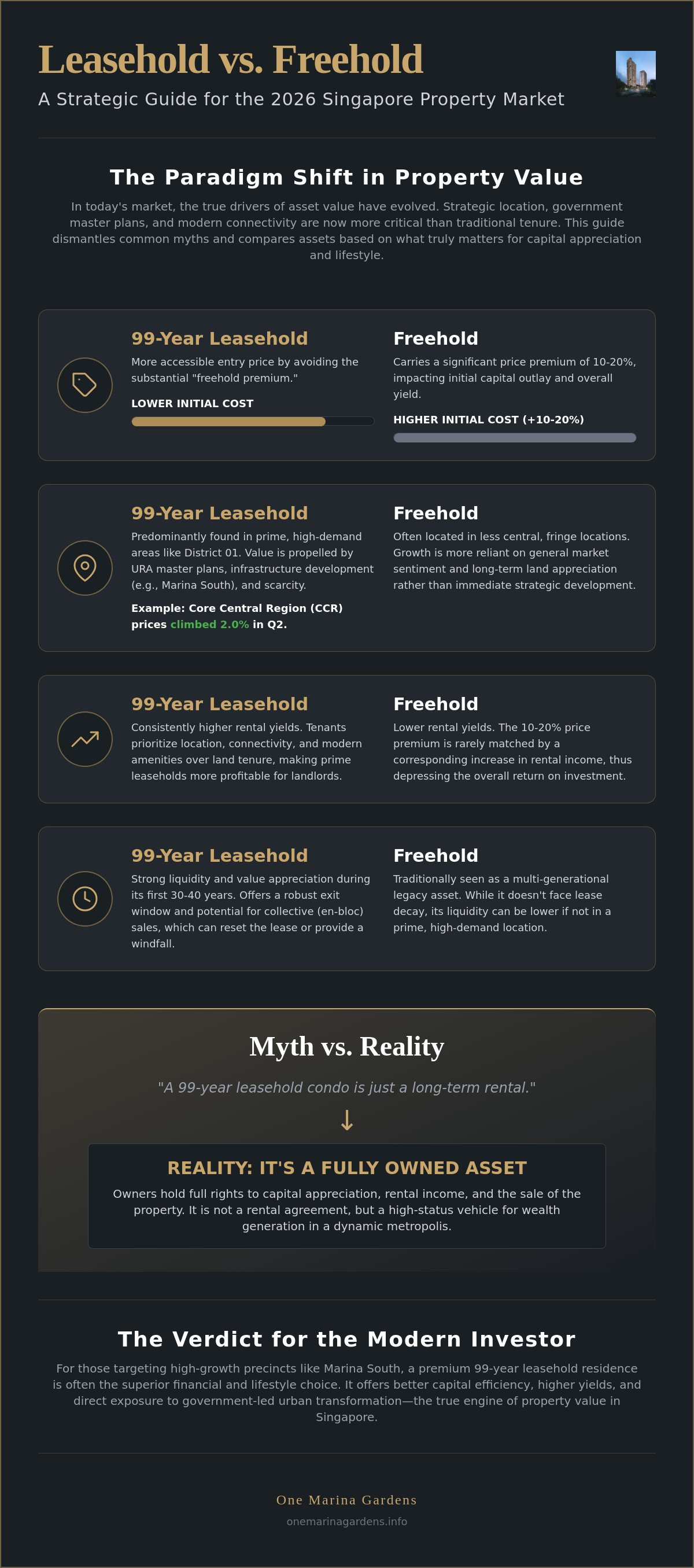
Choosing a leasehold asset in a prime district often allows investors to bypass the "freehold premium." This premium, which can range from 10 to 20 percent, rarely translates into higher rental income. Tenants are motivated by proximity to the Central Business District, modern facilities, and seamless connectivity. By opting for a leasehold tenure, owners often secure higher rental yields and better cash flow. They leverage the property's utility rather than its theoretical permanence. This logic is particularly relevant as we look toward the massive urban transformation in Marina South, where government infrastructure spending is poised to drive significant value.
The Evolution of Leasehold Perception
The modern buyer in 2026 is increasingly mobile and results-oriented. They recognize that a 99-year lease provides a sufficient horizon for both personal lifestyle needs and wealth generation. Modern developments now incorporate advanced architectural standards and smart-home technologies that preserve the building's prestige for decades. Within a 100-year master plan, a leasehold asset isn't a temporary shelter but a high-status vehicle for growth in a rapidly evolving metropolis. It's about maximizing the asset's prime years during its peak relevance.
Private vs. Public: Distinguishing the Markets
It's vital to separate the dynamics of the private market from public housing. Unlike HDB flats, private condominiums benefit from the potential of collective sales, or en-bloc opportunities. These transactions can effectively reset the lease or provide owners with a windfall long before the lease reaches its final decades. New launches offer a "fresh lease" advantage. This ensures the property remains highly liquid and bankable for at least 40 years. It provides a substantial window for a profitable exit strategy before any concerns of lease decay even begin to surface.
Myth-Busting the Leasehold Narrative: Value, Longevity, and Market Reality
Misconceptions surrounding tenure often stem from a fundamental misunderstanding of how the Singapore property market functions. A common fallacy suggests that a 99 year leasehold condo Singapore is merely a long-term rental agreement. This notion has been explicitly debunked by government leaders who clarify that such a property is an owned asset, not a rental. Owners hold full rights to the appreciation, rental income, and eventual disposal of the property, just as they would with a freehold title. The 2026 market data reflects this reality; the Core Central Region (CCR) saw a 2.0 percent price increase in the second quarter, driven by demand for prime assets regardless of their tenure.
Financing concerns are equally misplaced for modern investors. For a new launch or a young asset, banks offer the standard 75 percent Loan-to-Value (LTV) limit, provided the loan tenure doesn't exceed 30 years or the borrower's age of 65. CPF usage restrictions only become a factor when the remaining lease is less than 30 years, a scenario that is decades away for anyone investing in modern precincts today. Exit strategies remain diverse and robust. Whether through a high-yield resale after the first decade or a collective sale later in the lifecycle, the liquidity of a prime leasehold asset remains exceptionally high due to its central location and superior connectivity.
Capital Growth: The First 30 Years
Investors often find that prime leasehold properties in District 01 outperform fringe freehold units in terms of total return on investment. This is largely due to the "First-Mover" advantage found in emerging precincts like Marina South, where massive infrastructure development acts as a powerful catalyst for value. The initial two decades of a leasehold's lifespan represent the peak period for capital appreciation as the asset benefits from "newness" and maximum bankability without the psychological weight of lease decay. By the time a leasehold property reaches its 30th year, many owners have already harvested their gains to upgrade or diversify their holdings.
Legacy and Wealth Transfer
The idea that leasehold properties cannot serve as a legacy is a narrow view of wealth management. High-net-worth individuals treat these assets as strategic "stepping stones" within a larger portfolio. The substantial rental income generated by 3-bedroom or 4-bedroom premium residences in central locations can be reinvested into other instruments or used to fund future freehold acquisitions. It's about asset liquidity; a well-located leasehold property is often easier to liquidate than an illiquid freehold in a secondary location. For those seeking to secure their family's future, exploring the strategic advantages of Marina South reveals how modern tenure can actually accelerate wealth creation through superior cash flow and capital velocity.
Location vs. Tenure: Why District 01 and Marina South Redefine Asset Value
When evaluating a 99 year leasehold condo Singapore, savvy investors look beyond the expiry date to the underlying land value and government vision. The Urban Redevelopment Authority (URA) Master Plan for Marina South isn't just a blueprint; it's a guarantee of sustained infrastructure investment. In this precinct, the distinction between leasehold and freehold becomes academic because the state has designated the entire area for leasehold development. This creates a level playing field where value is dictated by rarity and proximity to the nation's most iconic landmarks rather than the type of land title.
Historical data supports this shift in perspective. Even as properties age, location remains the ultimate hedge against depreciation. Reports indicate that Ageing 99-year leasehold condos still appreciate, often outperforming newer developments in less desirable districts. In 2026, the market reflects a "15-minute city" concept, where the ability to live, work, and play within a short radius commands a premium that far outweighs the theoretical benefits of perpetual ownership. Strategic buyers recognize that capital growth is driven by utility and demand, both of which are abundant in Singapore's evolving core.
The Marina South Advantage
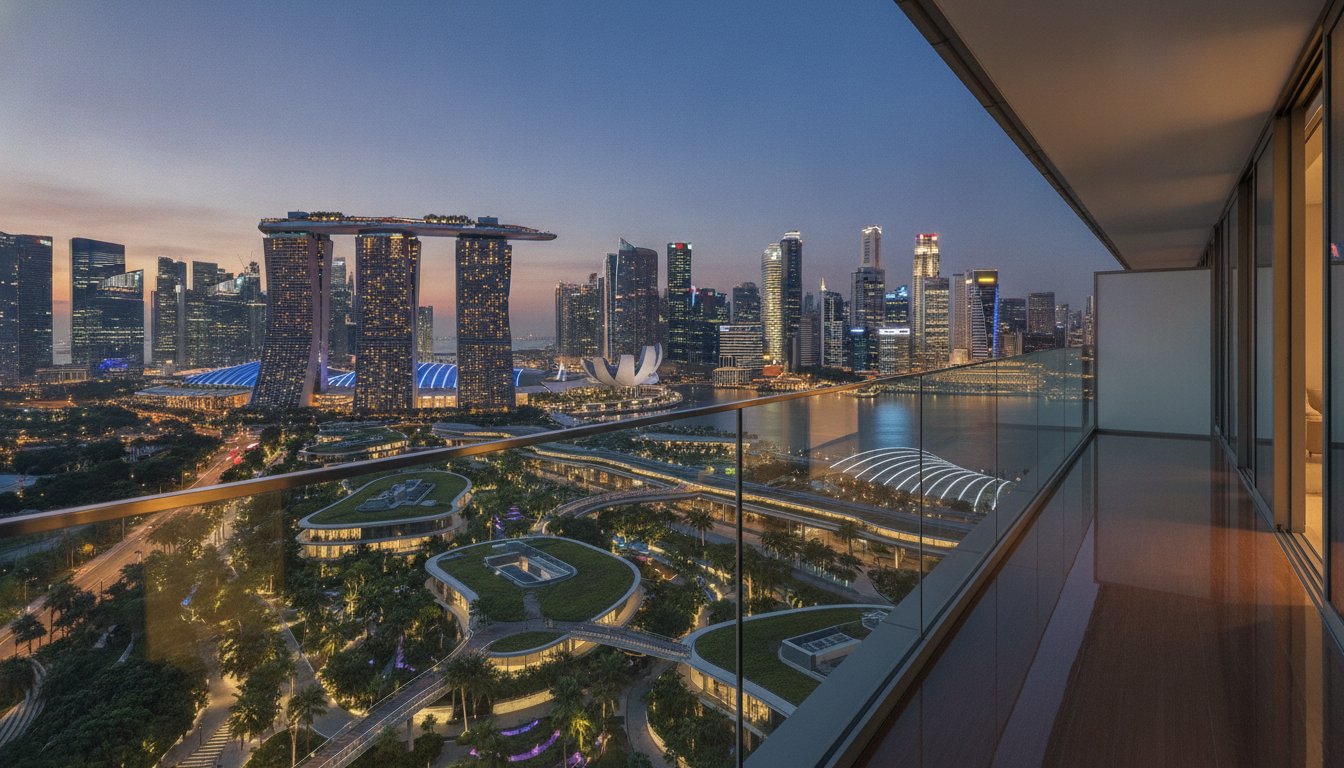
Residents here enjoy a lifestyle that is impossible to replicate elsewhere. Living adjacent to Gardens by the Bay and the Marina Bay Sands integrated resort offers a sense of prestige that resonates globally. This District 01 address represents the pinnacle of waterfront luxury living Singapore. Mixed-use precincts like this command higher premiums than residential-only zones because they offer a vibrant, self-sustaining ecosystem of retail, dining, and world-class recreation. It's a sophisticated environment where the value of your time is as carefully considered as the value of your asset.
Infrastructure and Appreciation
Liquidity is the lifeblood of a successful property investment. The Marina South MRT station and the extensive Underground Pedestrian Network (UPN) act as massive catalysts for residential value. These connections ensure that a 99 year leasehold condo Singapore in this precinct remains highly accessible and desirable for both high-profile tenants and future buyers. For those tracking the market, this prime district 01 new launch trend confirms that the most significant gains are found where the city is actively expanding its core. The convergence of transit and high-end residential living creates a resilient asset class that thrives across various market cycles.
Evaluating Your Investment: The Lifecycle of a Modern Leasehold Asset
Investing in a 99 year leasehold condo Singapore is a decision rooted in financial agility. While freehold properties often command a premium of 15 to 20 percent, this substantial upfront cost can significantly hinder your total return on investment. In the current 2026 climate, where the Total Debt Servicing Ratio (TDSR) is capped at 55 percent, the lower entry price of a leasehold asset allows for more efficient capital deployment. You aren't just buying a residence; you're optimizing your portfolio's cash flow by minimizing the interest paid on a larger freehold loan and freeing up capital for other high-growth instruments.
The exit strategy for a prime leasehold asset is equally strategic. The traditional "sweet spot" for resale typically occurs between the 10th and 15th year of the lease. During this window, the property still benefits from modern architectural relevance and full bankability, allowing you to capture the capital appreciation driven by the precinct's maturity. By the time you decide to divest, the infrastructure surrounding the property has usually fully developed, providing a robust narrative for the next buyer. This lifecycle approach ensures that you harvest gains during the asset's peak performance years.
Yield Analysis for Investors
The rental market in District 01 remains largely indifferent to tenure. High-earning expatriates and local professionals prioritize lifestyle, connectivity, and proximity to the office over the underlying land title. Our data suggests that 2-bedroom and 3-bedroom apartments often yield superior rental returns because the rental income is decoupled from the land's tenure. For a detailed breakdown of these metrics, review the investment value of residential property in mixed-use precinct, which highlights why these assets remain the preferred choice for discerning landlords in the CBD.
The Financing Framework in 2026
Banking policies in 2026 continue to support new leasehold launches with the standard 75 percent Loan-to-Value (LTV) ratio. CPF usage is similarly flexible, provided the remaining lease covers the youngest buyer until at least the age of 95. This ensures that your retirement funds remain a viable tool for property acquisition well into the asset's middle age. Prime assets in the Core Central Region possess a unique resilience where en-bloc potential acts as a capital reset, effectively mitigating the long-term risks of lease decay. To understand how these financial levers apply to your specific portfolio, you can view our curated 3 and 4-bedroom premium residences and assess their long-term value proposition.
One Marina Gardens: Seizing Opportunity in Singapore’s Most Anticipated Precinct
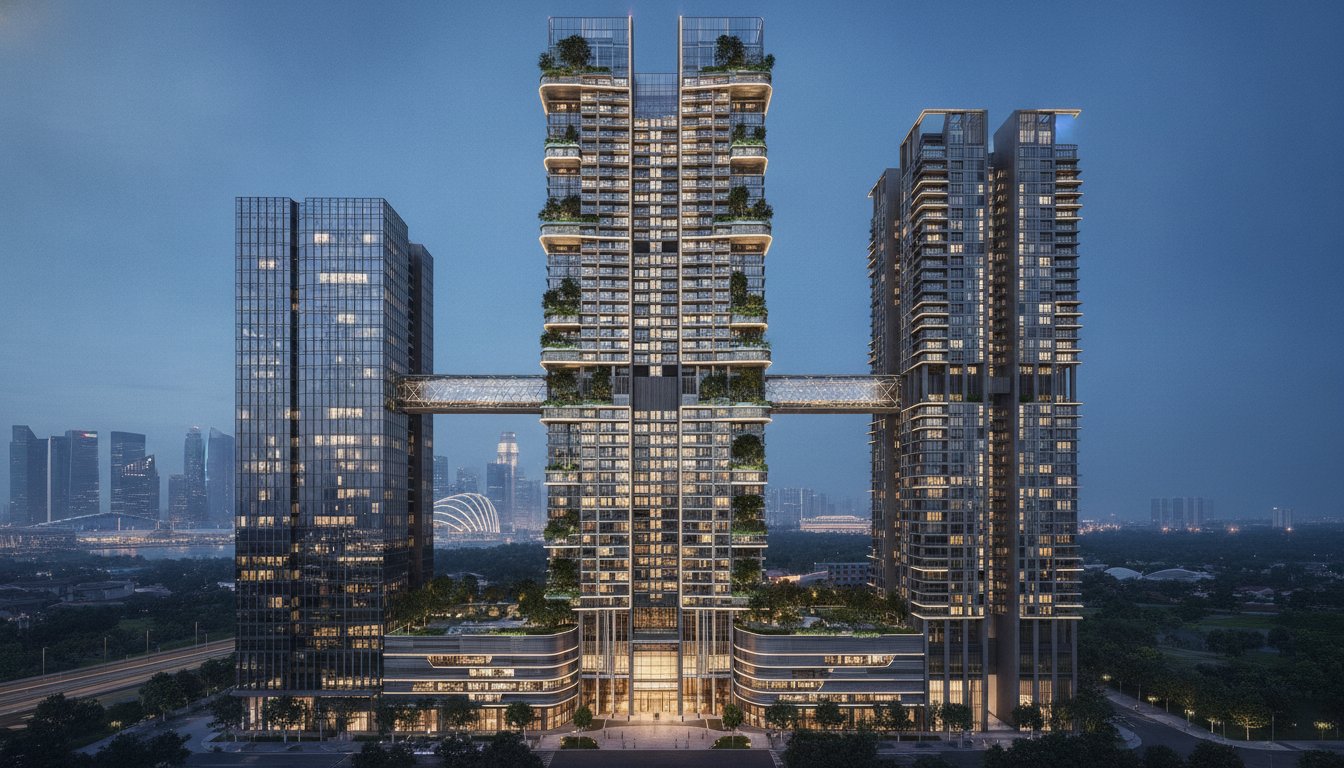
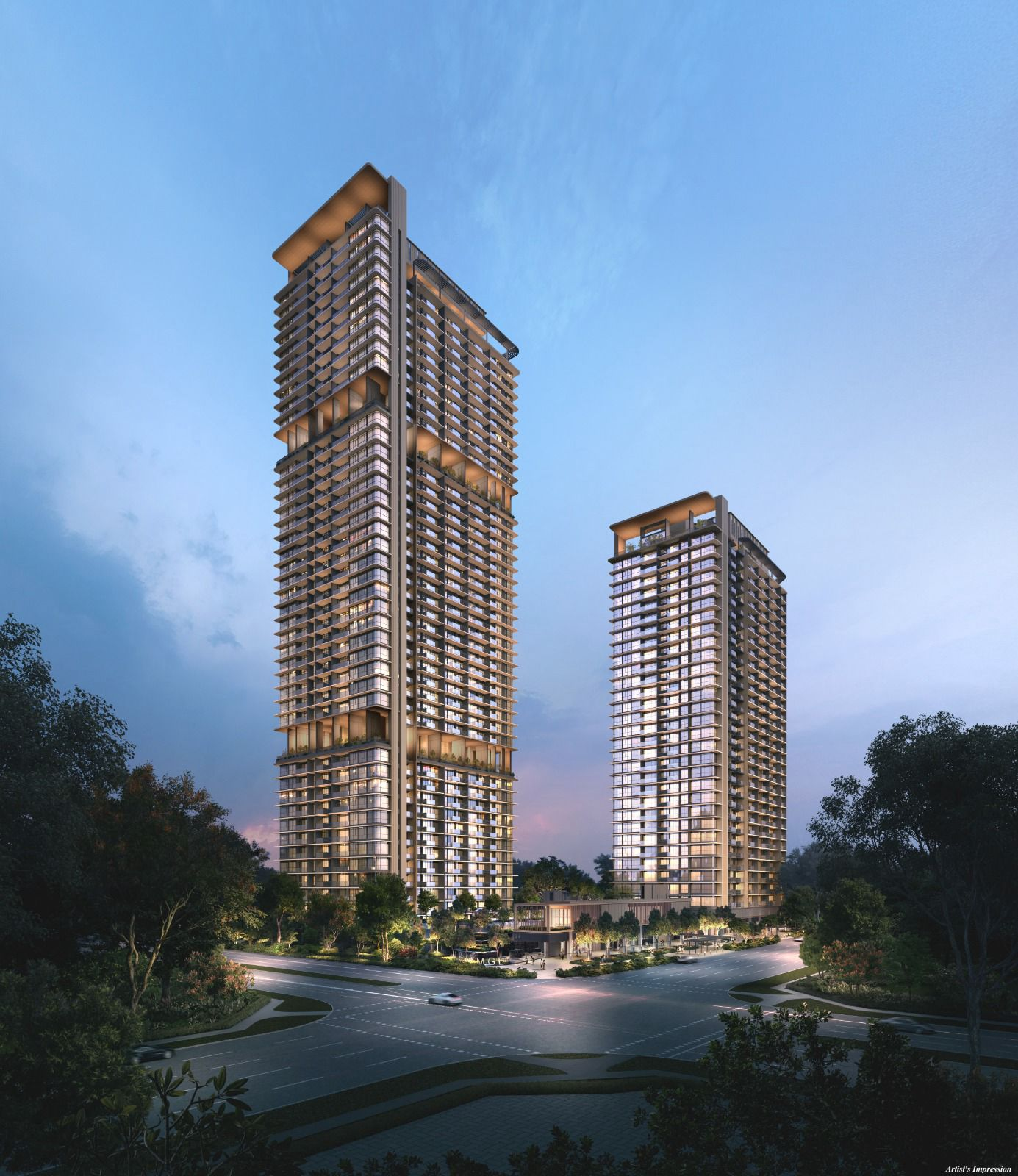
One Marina Gardens stands as the definitive answer to the tenure debate, offering a physical manifestation of the strategic investment principles discussed throughout this guide. As a premier 99 year leasehold condo Singapore, it doesn't just occupy space in District 01; it defines the future of the Marina South precinct. The development bridges the gap between visionary urban planning and the daily realities of high-status living. With a strategic completion date set for 2029, investors and homeowners are positioned to enter the market just as the surrounding infrastructure reaches its first major phase of maturity. This timing is critical. It allows you to secure an asset at a competitive entry point before the full precinct transformation is reflected in secondary market prices.
The project offers a curated selection of 2-bedroom, 3-bedroom, and 4-bedroom premium residences, each designed to meet the exacting standards of a global clientele. These aren't merely apartments. They're sophisticated vantage points over a city in transition. Choosing a leasehold asset of this caliber in an area where freehold land is non-existent ensures that your property remains a rare and highly sought-after commodity. It's a calculated move for those who understand that in a land-scarce nation, relevance and location are the ultimate currencies of wealth. You're not just buying a home; you're acquiring a stake in Singapore's next chapter.
Curated Living Spaces
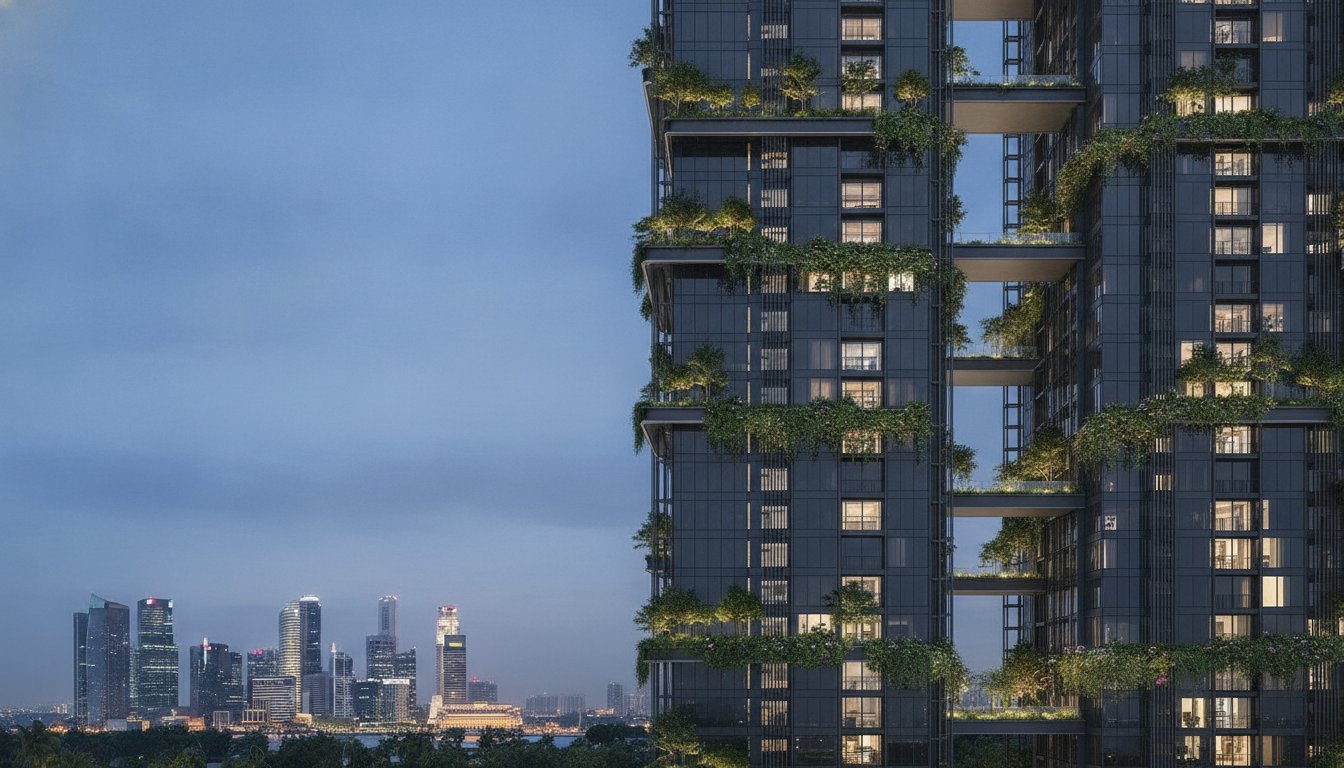
The 4-bedroom premium residences at One Marina Gardens are specifically tailored for high-net-worth families who refuse to compromise on space or sophistication. These homes integrate luxury with a commitment to sustainability, utilizing intelligent design to maximize natural light and airflow. This architectural approach ensures the building remains at the forefront of luxury real estate Marina Garden Lane for decades to come. Every detail, from the choice of materials to the seamless flow of the living areas, reflects a dedication to excellence that preserves the asset's prestige and ensures it remains a 99 year leasehold condo Singapore of choice for discerning tenants.
Securing Your District 01 Legacy
Evaluating a unit for long-term capital appreciation requires a focus on developer pedigree and floor plan efficiency. One Marina Gardens is brought to life by Kingsford Marina Development, a name synonymous with bold innovation and reliability in the Singapore landscape. When you select a residence here, you're investing in a legacy that is grounded in the reality of the 2026 market. The strategic advantage of a central address, combined with the superior lifestyle offerings of Marina South, creates a resilient investment profile. If you're ready to secure your place in Singapore's most anticipated precinct, we invite you to explore our 2, 3, and 4-bedroom premium residences and discover the pinnacle of modern central living.
Secure Your Stake in Singapore’s Urban Future
The transition toward asset utility and strategic location has fundamentally redefined the property landscape. Investing in a 99 year leasehold condo Singapore within a high-growth precinct like Marina South isn't a matter of compromise; it's a sophisticated strategy for capturing maximum capital velocity. You've seen how government infrastructure and the "15-minute city" concept create a resilient value proposition that often outshines traditional freehold assets in secondary locations. By prioritizing connectivity and rarity, you ensure that your portfolio remains relevant in an evolving global metropolis.
Located in the highly coveted District 01 with direct proximity to the Marina South MRT, One Marina Gardens offers a rare opportunity to enter a world-class precinct at its inception. Developed by Kingsford Marina Development Pte Ltd, this residence ensures that your investment is supported by visionary design and a commitment to excellence. It's time to look beyond tenure and embrace the strategic advantages of a refined central lifestyle. Discover the Prestige of One Marina Gardens and secure your place in the city's most anticipated residential chapter.
Frequently Asked Questions
What happens when a 99-year leasehold condo expires in Singapore?
When the lease reaches its end, the land and the building revert to the state with no compensation provided to the owners. This is the legal reality for any 99 year leasehold condo Singapore. However, it's rare for a private development to reach zero. Most are sold via collective sale or en-bloc decades earlier, allowing owners to capture their gains and transition into newer assets long before the lease terminates.
Is it harder to get a bank loan for a 99-year leasehold condo?
Securing financing for a new or relatively young leasehold property is as straightforward as it is for freehold assets. Banks typically offer the standard 75 percent Loan-to-Value (LTV) limit for your first residential property. Difficulty only arises when the remaining lease falls below 30 or 40 years. For a modern new launch in a prime district, you'll enjoy full financing support and standard interest rates without any extra hurdles.
Can I use my CPF to buy a 99-year leasehold property?
You can utilize your CPF savings provided the property's remaining lease covers the youngest buyer until at least the age of 95. If the lease doesn't meet this requirement, your CPF usage will be pro-rated. It's also vital to remember that if the remaining lease is less than 30 years, CPF funds cannot be used at all. This makes young leasehold assets in central locations highly bankable and accessible to most buyers.
Why do some leasehold condos appreciate more than freehold ones?
Appreciation is primarily driven by scarcity, location, and infrastructure growth rather than just the land title. A leasehold property in a high-growth zone like District 01 often sees higher capital gains because its lower entry price allows for a higher percentage return. When the government transforms a precinct through a Master Plan, the resulting demand and lifestyle appeal override tenure type, leading to superior market performance.
What is the "60-year rule" for leasehold property in Singapore?
The "60-year rule" is a common market benchmark where buyers and lenders begin to scrutinize the remaining lease more closely. Once a leasehold property has less than 60 years remaining, some banks may start to reduce the maximum loan tenure. While the asset remains valuable, this is often the point where owners consider an en-bloc exit strategy to maximize their returns before the psychological impact of lease decay accelerates.
Is a 99-year leasehold condo a good investment for foreigners in 2026?
Foreign investors often favor leasehold condos in prime districts due to their superior rental yields and capital velocity. Even with the ABSD for foreigners at 60 percent in 2026, the potential for growth in the Core Central Region remains a powerful draw. High-net-worth individuals prioritize the strategic advantage of a central location and world-class connectivity, which are the primary hallmarks of a premium 99 year leasehold condo Singapore.
How does the Marina South Master Plan affect leasehold values?
The Marina South Master Plan acts as a significant value catalyst by introducing world-class infrastructure and seamless transit options. The inclusion of the Marina South MRT station and extensive underground pedestrian networks ensures that properties in this precinct remain highly liquid. This government-led transformation guarantees sustained demand, effectively mitigating concerns about tenure by focusing on the asset's immense utility and prestigious District 01 address.
Can a 99-year leasehold property be en-bloc?
Leasehold properties frequently undergo en-bloc sales, which serve as a common exit strategy for owners. In a collective sale, a developer purchases the entire site and pays a premium to the owners while the government tops up the lease back to 99 years. This process allows owners to realize significant gains and effectively resets the investment cycle, often providing a windfall that exceeds the property's individual resale value.