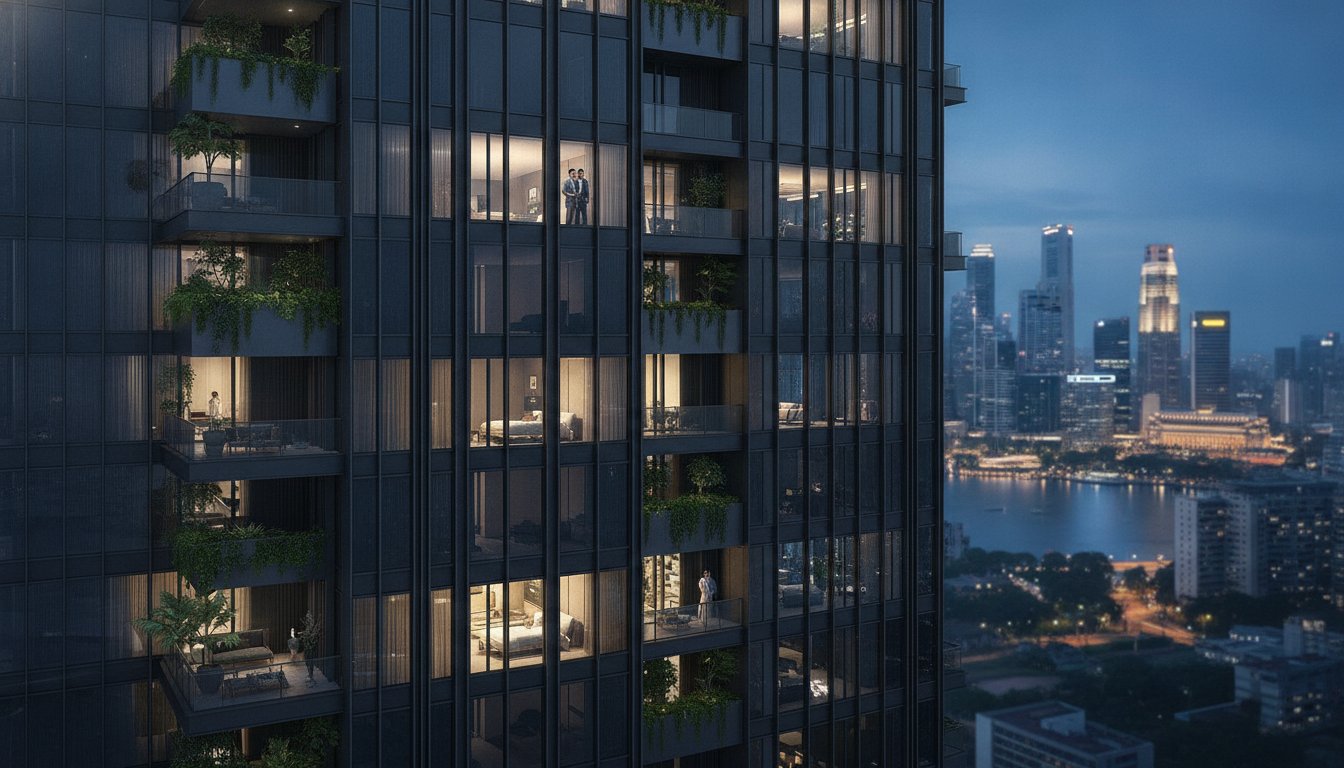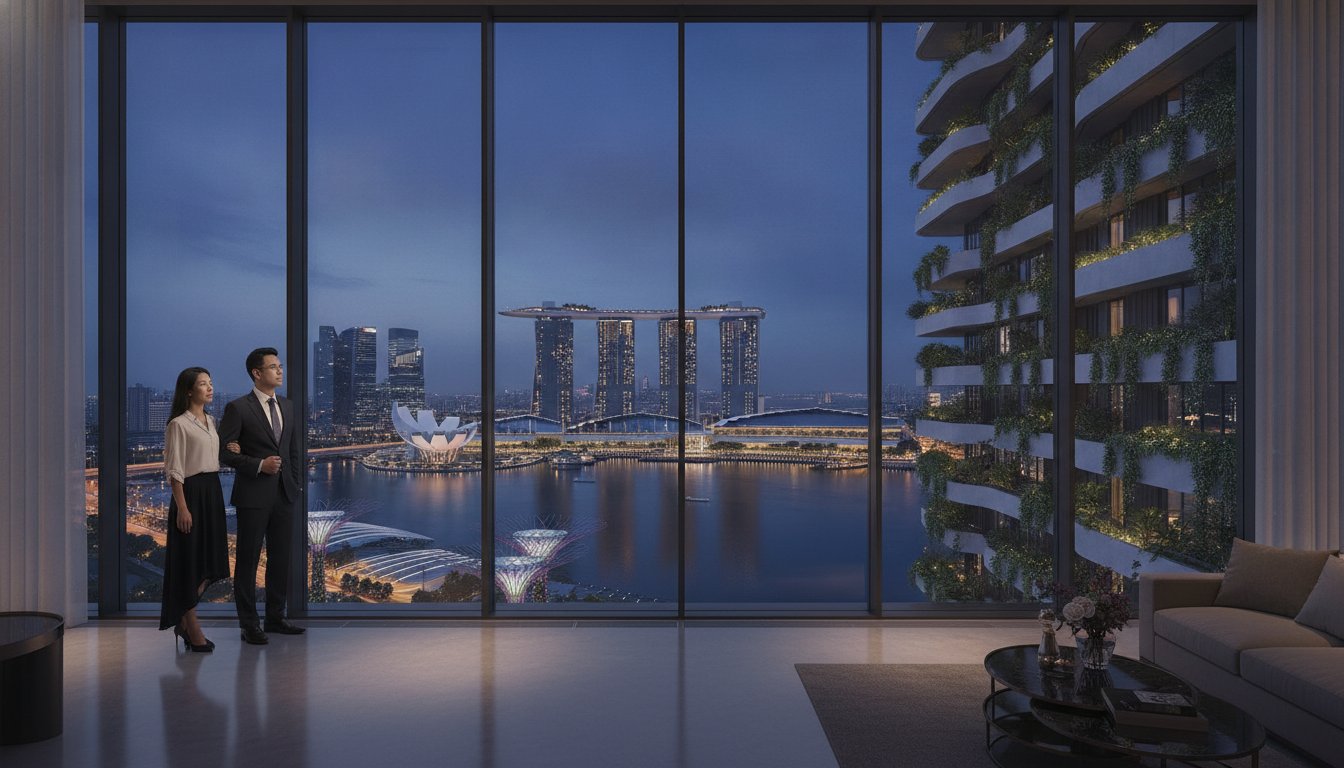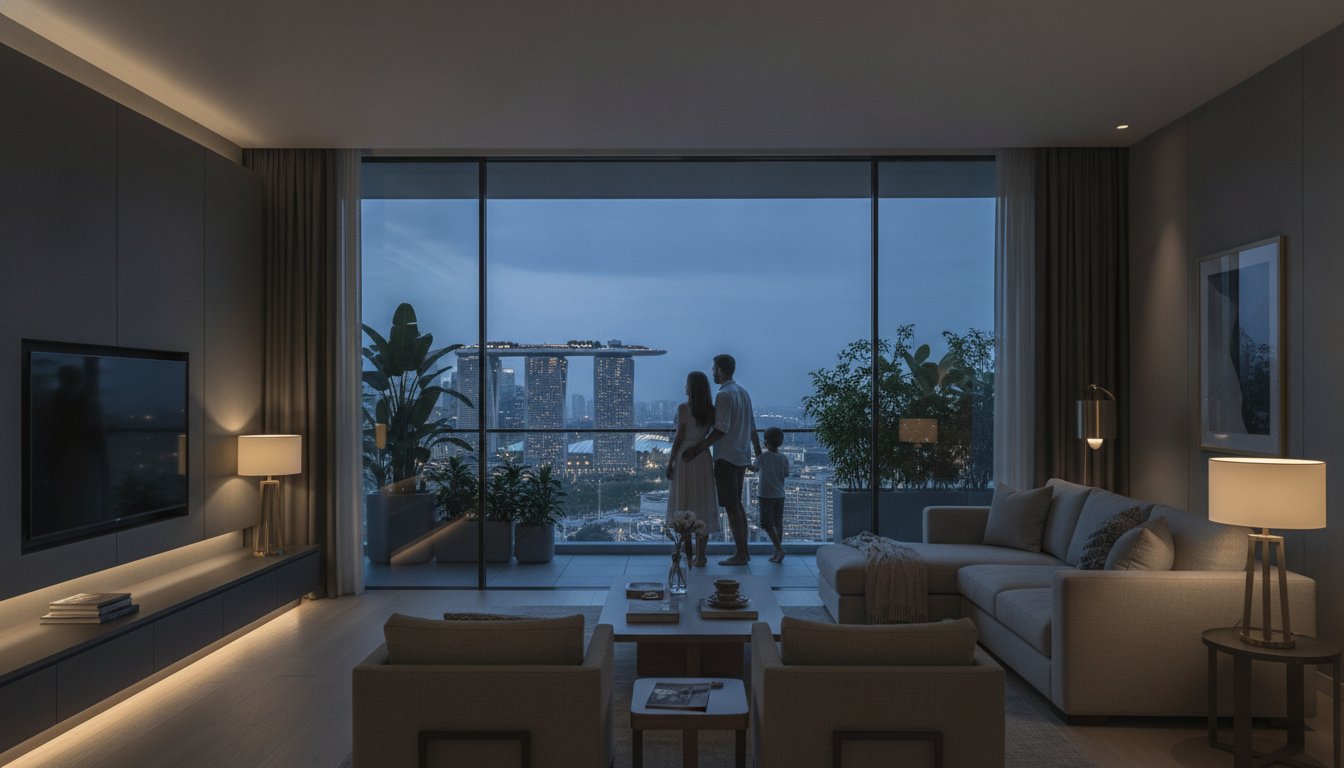
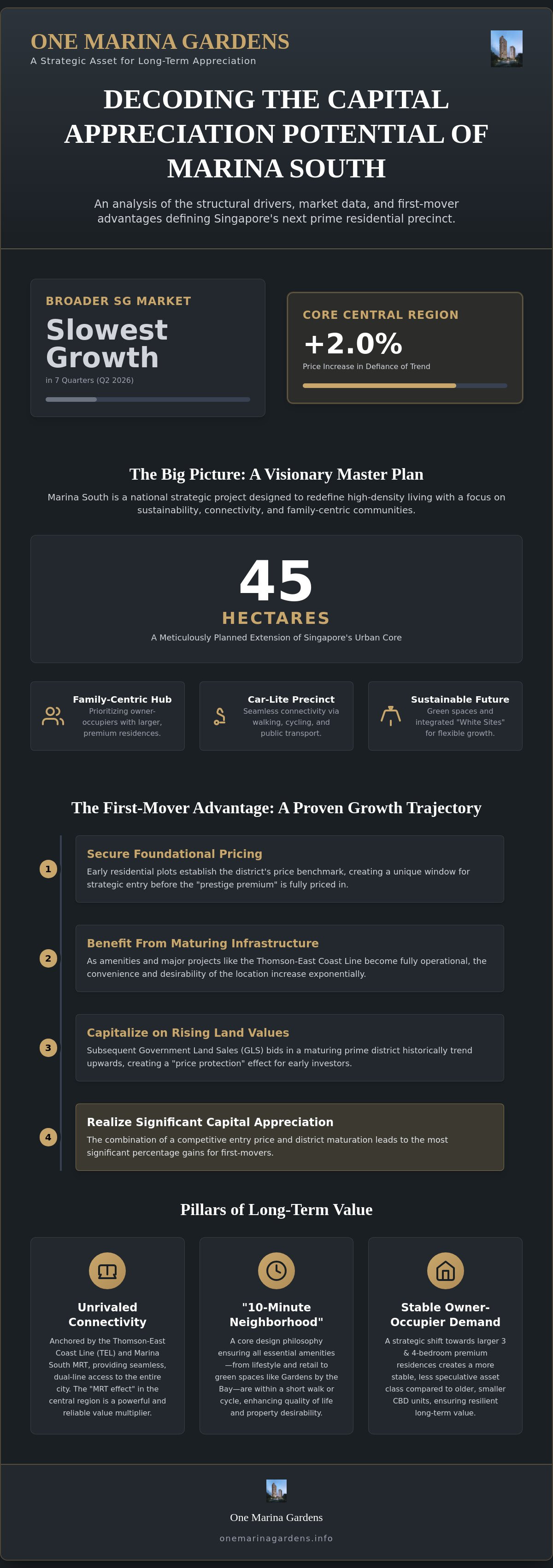
Is the era of stagnant capital growth in the Singapore CBD finally over, or are investors simply looking in the wrong direction? While the broader private residential market saw its slowest growth in seven quarters during Q2 2026, the Core Central Region defied the cooling trend with a resilient 2.0% price increase. It's natural to feel a sense of caution given the high entry costs and the historical performance of older, commercial-heavy projects nearby. You likely seek more than just a prestigious address; you require a strategic asset that balances luxury with logical, long-term value.
This analysis explores the Marina South capital appreciation potential, positioning it not as a speculative gamble, but as a calculated first-mover opportunity within a visionary 45-hectare master plan. You'll discover the structural drivers transforming this precinct into a family-centric, car-lite residential hub. We provide the market data and comparison frameworks necessary to distinguish this new residential evolution from the shoebox investments of the past, ensuring your portfolio benefits from the district's deliberate, long-term growth trajectory.
Key Takeaways
- Understand the "First-Mover" principle and how securing early residential plots in the 45-hectare precinct establishes a competitive price benchmark for future district growth.
- Explore the structural impact of the Thomson-East Coast Line and the specialized "10-minute neighborhood" design on long-term property values.
- Identify why the shift toward owner-occupier demand in 3-bedroom and 4-bedroom premium residences creates a more stable asset class than older, speculative CBD projects.
- Evaluate the Marina South capital appreciation potential through a data-backed framework that benchmarks current entry prices against established prime districts.
- Discover how the flagship status of One Marina Gardens offers a strategic advantage in a market defined by urban refinement and high-prestige living.
The Marina South Evolution: Understanding the First-Mover Advantage in 2026
Marina South represents more than just a new residential district; it is a meticulously planned extension of Singapore’s urban core. This 45-hectare precinct is a national strategic project designed to redefine high-density living with a focus on sustainability and connectivity. Investors evaluating the Marina South capital appreciation potential must look beyond the current quiet waterfront and recognize the district's role in the broader Master Plan. As the first residential plots are released, they establish the foundational price benchmark for the entire area. This initial pricing phase creates a unique window for those who prioritize strategic entry over immediate district completion.
The mechanism of capital growth here is tied to the Government Land Sales (GLS) cycle. Historically, as a district matures and infrastructure like the Thomson-East Coast Line becomes operational, land bid prices for subsequent plots tend to rise. This escalation provides a "safety net" for early investors, as developers of later phases must price their units higher to maintain margins. It's a pattern seen in every major urban transformation in Singapore, where the earliest residential launches often see the most significant percentage gains as the neighborhood's amenities come online.
The Logic of Early Entry in National Development Zones
Phase 1 developments in prime precincts typically offer the most significant upside compared to later phases. Data from previous urban transformations shows a distinct price gap between early adopters and those who wait for the district to reach full maturity. Early buyers benefit from "price protection" because the cost of land and construction rarely regresses in such high-priority zones. First-mover advantage is the acquisition of assets in a developing precinct before full infrastructure maturity. By entering at the ground floor, you secure a position before the "prestige premium" is fully baked into the market price, ensuring your entry cost remains competitive as the district evolves.
Marina South 2030: The Vision for a Sustainable Urban Core
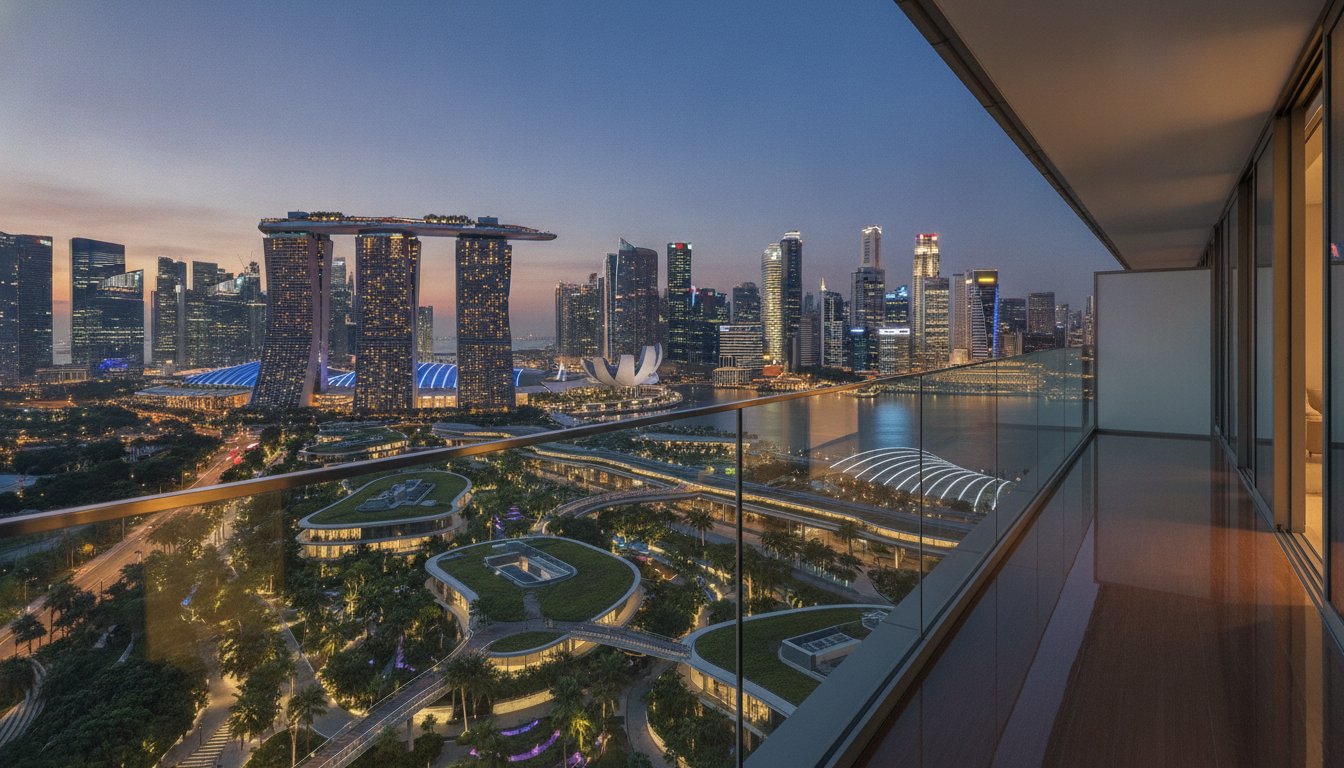
By 2030, the precinct will transition into a vibrant mixed-use hub. The Urban Redevelopment Authority has integrated "White Sites" into the plan, allowing for flexible growth between commercial, residential, and lifestyle uses. This ensures the district remains relevant to market demands over decades. The "10-minute city" concept is central to this vision, where every essential amenity is within a short walk or cycle from your front door. Residents will enjoy Gardens by the Bay as a permanent, sprawling backyard, a luxury that simply can't be replicated elsewhere in the city. Understanding the History of Marina South reveals a long-term commitment to land reclamation and strategic planning that underpins the Marina South capital appreciation potential. This is a district designed for permanence and high-status living, where early entry is the most logical path to securing long-term value.
Infrastructure and the Master Plan: The Structural Drivers of Capital Growth
Infrastructure serves as the invisible scaffolding of property value; it's the most reliable predictor of long-term asset resilience. In the context of District 1, the completion of the Thomson-East Coast Line (TEL) represents a paradigm shift in how the city center is accessed and perceived. The Marina South capital appreciation potential is fundamentally anchored to these multi-billion dollar government investments. When a precinct is designed from the ground up with a focus on seamless connectivity, the resulting convenience translates directly into a price premium that persists through various market cycles.
Strategic proximity to the Marina South MRT station acts as a powerful value multiplier. Properties situated within a five-minute walk of major transit nodes historically outperform those even slightly further afield. This "MRT effect" is particularly pronounced in the central region, where time is the ultimate luxury for the high-net-worth demographic. The dual-line access provided by the TEL and the Downtown Line ensures that residents are minutes away from both the financial heart of the city and the elite shopping belts of Orchard Road.
Connectivity as a Catalyst for Asset Appreciation
The ability to reach key employment hubs without relying on private transport is a significant draw for the modern tenant. Direct access to the TEL expands the potential tenant pool to include a wider range of global professionals, ensuring high occupancy rates and stable rental yields. This connectivity is not merely a convenience; it's a structural advantage that protects the asset's value. For a detailed exploration of how transit proximity influences residential selection, Accessibility Reimagined: Selecting a Premier Condo Near Marina South MRT in 2026 offers an in-depth analysis of the district's logistical landscape.
The Master Plan: Zoned for Prestige and Exclusivity
The Urban Redevelopment Authority (URA) has envisioned Marina South as a sustainable, 45-hectare "10-minute neighborhood." This concept prioritizes a car-lite environment where essential services, recreation, and transit are all reachable within a short walk. Extensive Underground Pedestrian Networks (UPN) will provide climate-controlled pathways, connecting residential towers directly to retail levels and MRT stations. This level of urban integration is rare and highly sought after.
The long-term scarcity of residential land in District 1 further bolsters the Marina South capital appreciation potential. With a planned capacity of over 10,000 new homes for the entire precinct, supply is strictly regulated to maintain exclusivity. Even during periods of cautious developer bidding in Marina South, the underlying vision of a "Green Heart" residential zone remains intact. Those reviewing the available 2-bedroom and 3-bedroom residences will recognize that park-front living in a dense urban core is a finite resource, destined to command a premium as the district reaches full maturity by 2030.
Overcoming Historical Precedents: Why Marina South Differs from Marina Bay
Investors frequently approach the Core Central Region with a degree of skepticism, often citing the "Marina Bay Stigma." This hesitation stems from the historical performance of early developments in the adjacent Marina Bay district, where a high concentration of investor-focused units led to price stagnation and, in some cases, significant resale losses. However, conflating the two districts ignores a fundamental shift in urban planning. The Marina South capital appreciation potential is built upon a different philosophy: the creation of a genuine residential community rather than a transient business annex.
The older Marina Bay projects were characterized by a density of small, speculative "shoebox" units designed for a global workforce. While these served a purpose in a burgeoning financial hub, they lacked the structural resilience provided by owner-occupiers. Marina South reverses this trend by prioritizing livability and family-centric design. By moving away from a "business-only" environment, the precinct attracts a demographic that views their property as a home first and an asset second, which naturally creates a more stable price floor during market fluctuations.
Investor Speculation vs. Owner-Occupier Stability
The problem with historical CBD projects was their reliance on high-density units that appealed almost exclusively to short-term investors. When the rental market softened, these owners were often the first to exit, leading to downward price pressure. In contrast, the emphasis in Marina South is on 3-Bedroom Apartments and 4-Bedroom Premium Residences. These larger formats are essential for long-term price resilience because they cater to the domestic high-net-worth segment. One Marina Gardens addresses the lack of family-friendly amenities identified in earlier Marina Bay phases by integrating green spaces and community-focused infrastructure, ensuring the district remains desirable for those seeking a permanent urban residence.
The Impact of ABSD on Market Dynamics
Recent regulatory changes have fundamentally altered the buyer profile in Singapore’s prime districts. The 60% Additional Buyer’s Stamp Duty (ABSD) for foreigners has effectively filtered the market, shifting the focus toward committed local buyers. Data from early 2026 indicates that 81.6% of buyers at One Marina Gardens were Singaporean. This shift is critical for the Marina South capital appreciation potential; a market dominated by local wealth is inherently less volatile. Local buyers typically have longer holding periods and stronger financial backing, which prevents the panic selling often seen in markets over-exposed to foreign speculation. This transition to a domestic-led market ensures that the district’s growth is driven by genuine demand and long-term capital preservation.
Analyzing the Entry Price: Benchmarking Value in the Prime Residential Market
Data doesn't lie. When we examine the transactional landscape of June 2026, the Marina South capital appreciation potential becomes evident through a simple comparison of entry costs. While new launches in established freehold enclaves of Districts 9 and 10 often command prices well above $3,500 per square foot, the Marina South precinct offers a more tactical entry point. This "value gap" isn't a sign of lower quality; it's the standard pricing characteristic of a first-mover zone. You aren't just buying a residence; you're acquiring a stake in the district's future yield compression as it matures into a global waterfront icon.
The safety margin for capital growth is widest when you enter before the full suite of amenities is realized. As infrastructure projects reach completion and subsequent land plots are sold at higher bid prices, the baseline value of early developments naturally shifts upward. This structural progression ensures that your initial investment is protected by the rising costs of neighboring future launches. For those seeking to optimize their portfolio, exploring the current availability of 3-bedroom and 4-bedroom premium residences provides a clear path to securing this pricing advantage before the next wave of district development begins.
PSF Comparisons: Marina South vs. The Rest of the Core Central Region
Securing a prime waterfront asset at a sub-$3,000 per square foot entry point is a rare opportunity in Singapore’s modern market. Verified transactions from June 2026 show 3-bedroom units at One Marina Gardens transacting at approximately $2,959 psf and 4-bedroom units at $2,974 psf. Compare this to the 2.0% price increase seen across the Core Central Region in Q2 2026, and it's clear that Marina South remains competitively positioned. While older resale projects in Marina Bay may appear cheaper on the surface, they often lack the modern sustainable features and "10-minute neighborhood" integration that drive long-term desirability and resale liquidity.
Rental Yields and the Corporate Tenant Base
Rental demand in District 1 is historically driven by high-level executives from the adjacent Grade A office towers. This corporate tenant pool prioritizes the "work-live-play" lifestyle, making premium 2-bedroom and 3-bedroom units highly attractive for their proximity to the financial district. The integration of the Thomson-East Coast Line further expands this reach, allowing residents to commute with ease. To understand how these lifestyle factors influence market value, read The Future of Urban Living: A 2026 Analysis of Marina South Residential Development. By aligning your investment with the needs of the modern urban professional, you ensure consistent demand that supports both rental income and the overall Marina South capital appreciation potential.
One Marina Gardens: A Strategic Asset for Long-Term Appreciation
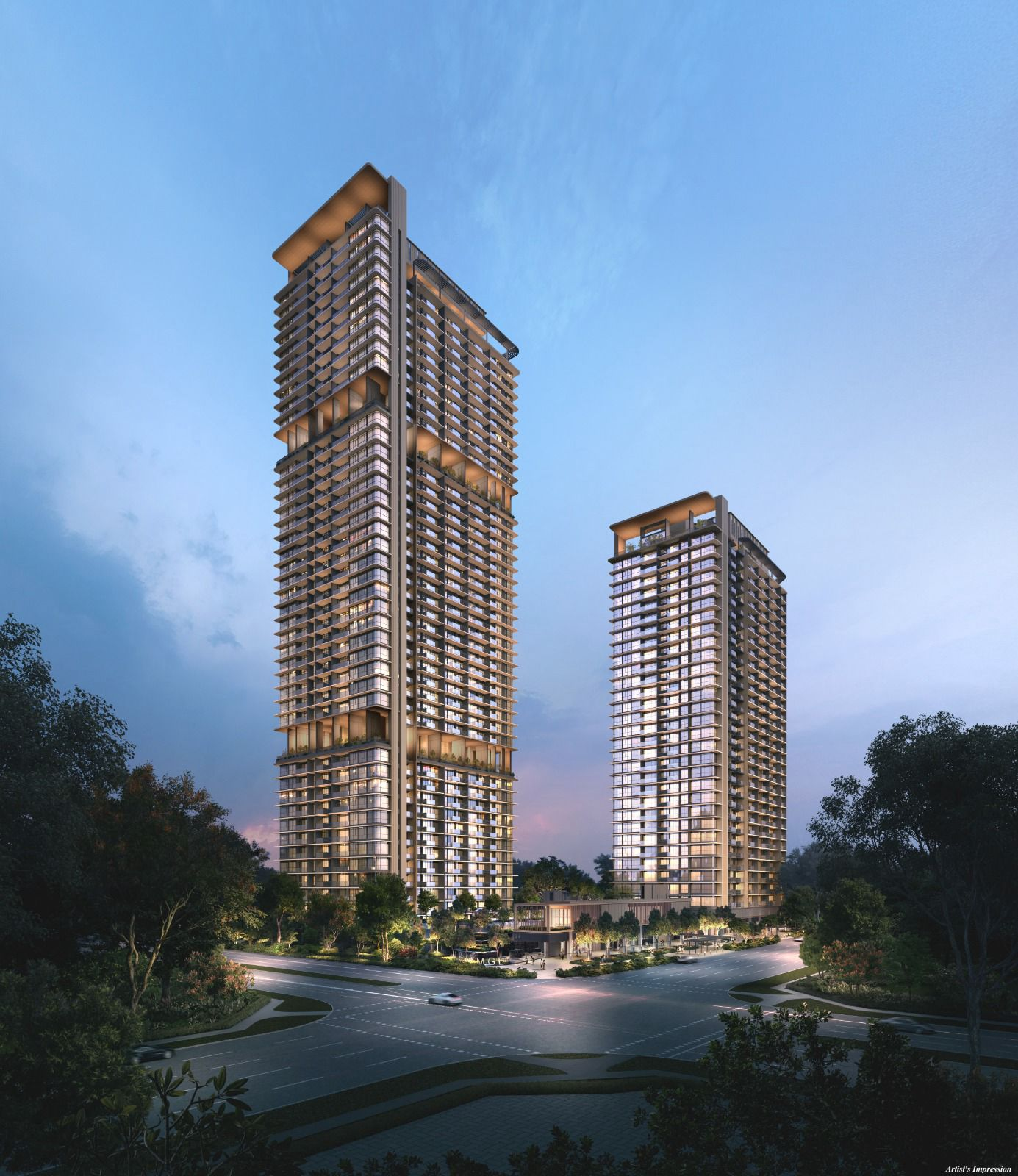
Positioned as the flagship residential development of the precinct, One Marina Gardens serves as the definitive cornerstone for the district's emerging identity. Its status as the pioneer project provides a unique level of prestige that subsequent developments will find difficult to replicate. Architectural excellence is not merely an aesthetic choice here; it's a strategic driver of the "prestige premium" that defines high-end resale markets. Investors recognize that the Marina South capital appreciation potential is highest in properties that set the standard for quality and design integrity within a new neighborhood. This development offers a sophisticated blend of residential privacy and mixed-use vitality, ensuring constant desirability from both owner-occupiers and the global elite.
The integration of commercial and retail spaces within the development creates a self-sustaining ecosystem. This mixed-use nature ensures consistent footfall and provides residents with unparalleled convenience, a factor that significantly bolsters long-term asset value. In a dense urban core, the ability to access curated retail and dining without leaving your immediate environment is a significant competitive advantage. This convenience, paired with the district's visionary "10-minute neighborhood" concept, ensures that the property remains at the top of the list for discerning tenants and future buyers alike.
Curated Selection: Matching Unit Type to Investment Goals
Choosing the right configuration is essential for aligning with specific financial objectives. The unit mix is designed to cater to a variety of strategic needs:
- 3-Bedroom Apartments: These represent the "sweet spot" for capital growth. As the precinct matures into a family-friendly community, the demand for spacious, well-designed three-bedroom layouts is expected to outpace supply.
- 4-Bedroom Premium Residences: These exclusive units are tailored for asset preservation and the domestic high-net-worth segment. Their scarcity within the district ensures they command a significant premium in the secondary market.
- 2-Bedroom Apartments: Ideal for high-yield rental strategies, these units appeal to the corporate tenant pool working in the adjacent financial district who prioritize efficiency and proximity.
The Kingsford Marina Development Legacy
The developer's track record in delivering high-quality urban transformations provides an additional layer of security for investors. With an expected completion in 2029, the timeline for One Marina Gardens aligns perfectly with the broader 2030 Master Plan milestones. This synchronization ensures that as the first residents move in, the surrounding infrastructure and amenities will be reaching their peak operational state. The Marina South capital appreciation potential is firmly anchored in this deliberate timing. As the final frontier of Singapore’s waterfront living, this precinct represents a rare convergence of national vision and private luxury, offering a legacy asset that is built to endure and grow in value over the coming decades.
Securing Your Position in Singapore's Future Waterfront Legacy
The transformation of Marina South from a visionary Master Plan into a tangible residential core offers a rare window for strategic capital positioning. By prioritizing livability and structural connectivity over short-term speculation, this precinct avoids the pitfalls seen in earlier CBD developments. The Marina South capital appreciation potential is fundamentally anchored in its status as a first-mover district, where early entry benchmarks the value for all future releases within this 45-hectare zone.
As the district matures toward its 2030 milestones, the scarcity of premium residences in District 1 will likely intensify. One Marina Gardens, developed by Kingsford Marina Development Pte Ltd, stands as the flagship of this urban evolution. Situated directly adjacent to the Marina South MRT station, the development offers a curated selection of 2-bedroom, 3-bedroom, and 4-bedroom premium residences designed for both high-status living and asset resilience. We invite you to Register your interest in One Marina Gardens today to secure your position in Singapore's final frontier of waterfront luxury. Your journey toward a sophisticated urban legacy begins now.
Frequently Asked Questions
What is the projected capital appreciation for Marina South by 2030?
Capital appreciation in Marina South is driven by the "first-mover" mechanism where early residential plots set the baseline for the entire 45-hectare precinct. As later government land sales occur at higher bid prices and infrastructure reaches full maturity by 2030, early investors benefit from the rising valuation floor. This structural growth is supported by a strictly regulated supply of approximately 10,000 homes, ensuring long-term exclusivity and value resilience.
How does the 99-year leasehold tenure affect the resale value of Marina South properties?
In Singapore's prime districts, location and infrastructure maturity often outweigh tenure concerns during the first two decades of a project's life. The Marina South capital appreciation potential is anchored in its status as a newly developed, high-tech urban core. Buyers in this segment prioritize modern sustainable features and direct MRT connectivity, factors that maintain high resale liquidity and command a premium over older freehold projects that lack integrated urban planning.
Why did some Marina Bay condos sell at a loss, and is Marina South different?
Historical losses in Marina Bay were largely due to an oversupply of small, speculative units and a lack of family-centric amenities. Marina South differs fundamentally by focusing on owner-occupier stability with a curated selection of 3-bedroom and 4-bedroom premium residences. This shift toward a "10-minute neighborhood" with essential services and green spaces creates a more stable domestic-led market, reducing the price volatility associated with foreign investor speculation.
What are the key infrastructure milestones for Marina South in the next 5 years?
The primary milestone is the full operational integration of the Thomson-East Coast Line, which is already serving the district in 2026. Over the next five years, the development of the Underground Pedestrian Network (UPN) and the release of subsequent "White Sites" for mixed-use growth will further enhance connectivity. The completion of flagship projects like One Marina Gardens by 2029 will mark the precinct's transition into a lived-in residential community.
Who is the target tenant for residential units in One Marina Gardens?
The primary tenant pool consists of high-level corporate executives from the adjacent Grade A office towers in the CBD and Marina Bay. These professionals seek the "work-live-play" efficiency of a 2-bedroom or 3-bedroom apartment within walking distance of their workplace. Additionally, the district's sustainable design and proximity to elite schools attract affluent families who value the unique park-front lifestyle offered by the precinct.
How does the current psf of One Marina Gardens compare to District 1 averages?
As of June 2026, 3-bedroom units at One Marina Gardens transacted at approximately $2,959 psf, while 2-bedroom units averaged $3,144 psf. This represents a tactical entry point when compared to the broader District 1 and District 2 averages, which often exceed $3,500 psf for premium new launches. This value gap provides a significant safety margin for investors looking to capitalize on the Marina South capital appreciation potential as the district matures.
Is the Marina South MRT station already operational in 2026?
Yes, the Marina South MRT station is fully operational as of 2026, serving as a critical node on the Thomson-East Coast Line. This immediate connectivity is a major driver of current property values, as it provides direct access to the Orchard Road shopping belt and the northern regions of Singapore. Residents don't have to wait for future transit links, allowing for immediate lifestyle benefits and rental readiness upon project completion.
What role does Gardens by the Bay play in the property value of the area?
Gardens by the Bay acts as a permanent green buffer and a prestigious "backyard" for the district, a feature that cannot be replicated in other parts of the CBD. This proximity ensures that specific residential plots enjoy unblockable views and immediate access to world-class recreational spaces. Park-front living in a dense urban core is a finite resource, and this scarcity consistently drives a "green premium" in both rental yields and resale prices.